RIIFO Tools & Accessories
Every reliable press connection starts long before the jaw closes. The quality of a joint in a multilayer system is largely decided during preparation, and this range of RIIFO MLCP tools covers each stage of that process, from the first cut through to the finished press. Designed specifically for use with RIIFO multilayer composite pipe, these hand tools give installers everything needed to work with the system on site without a battery or electric press gun.
The tools follow the installation sequence itself. Pipe is first cut square with the pipe cutter, then calibrated and chamfered with the bevelling tool so it seats cleanly in the fitting without damaging the O-rings. Where the pipe route calls for a change of direction, the internal and external bending springs allow smooth, controlled bends to be formed without kinking. Finally, the manual pressing tool, fitted with the correct size insert, completes the connection in a single continuous press.
Compact, manually operated and simple to maintain, the range suits domestic and light commercial installations alike, and works hand in hand with the RIIFO MLCP F18 press-fit fittings, valves and multilayer pipe ranges available elsewhere on this site.
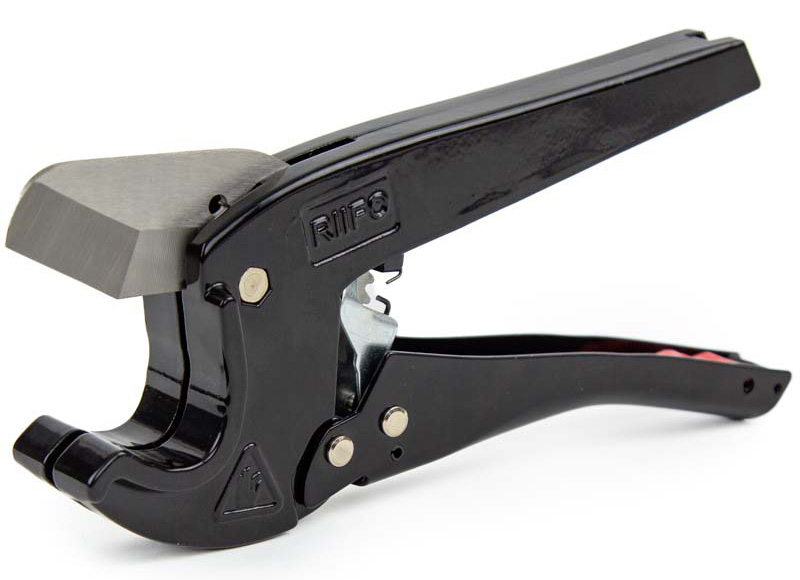
Pipe Cutter
A compact ratcheting cutter for making the first cut in pipe preparation. Operated with one hand, it guides the blade squarely through the pipe wall to leave a clean, perpendicular end, the foundation of a joint that seats properly against the fitting shoulder. It's intended for multilayer pipe in the smaller diameters most commonly handled on site, with a wheel cutter needed once pipe sizes reach 32mm and above.
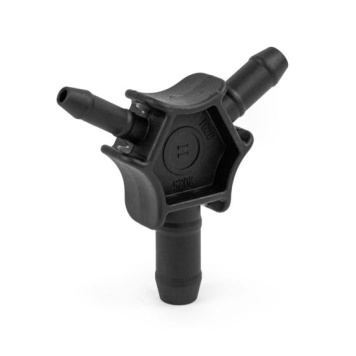
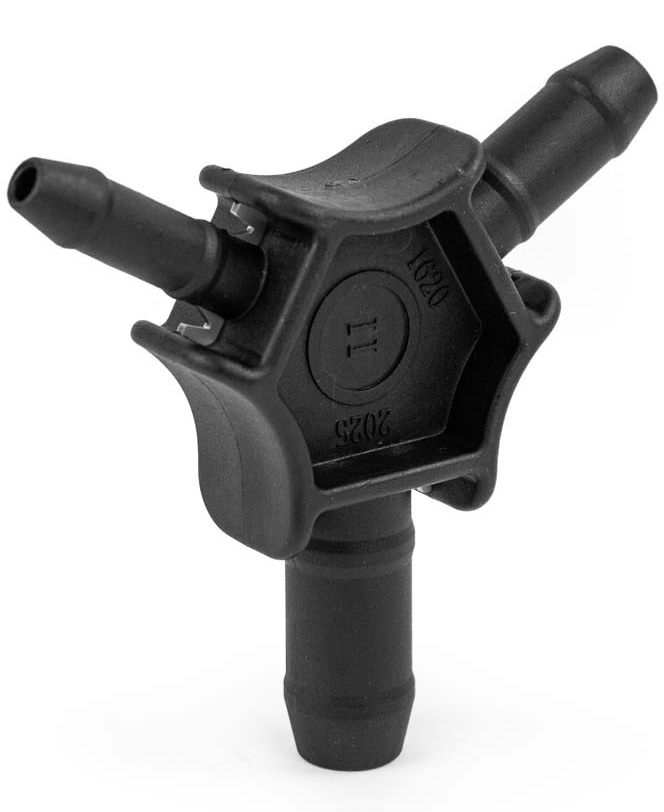
Bevelling Tool
Used immediately after cutting, this tool corrects any out-of-roundness in the pipe end and chamfers the edge so the pipe can slide into a fitting without catching or damaging the O-rings. Small metal blades inside the tool scrape the pipe as it's pushed fully on and rotated several times, shaving the edge back to a clean, even bevel, which should then be checked visually before pressing. Three units cover the 12mm to 32mm range, each spanning a small group of adjacent sizes so fewer tools are needed in the kit.
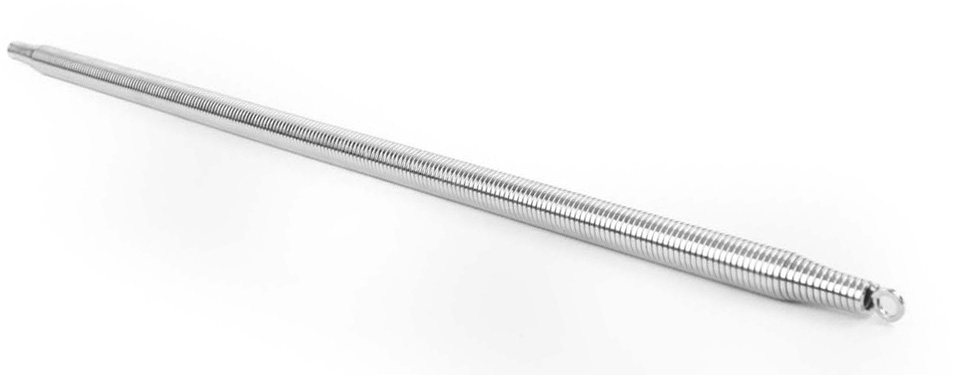
Internal Bending Spring
For forming bends where the pipe end is accessible, this spring is fed into the bore and supports the pipe wall from within as the bend is made, then withdrawn once the curve is formed. Available in sizes from 16mm to 32mm, each matched to its pipe diameter. Any bend formed in a multilayer pipe should not exceed a radius of five times the pipe's outer diameter, measured from the central axis.
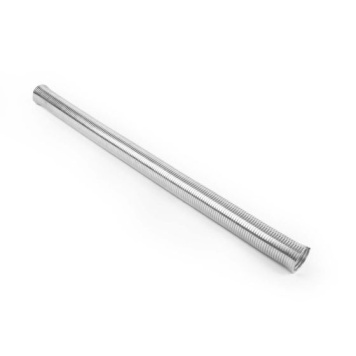
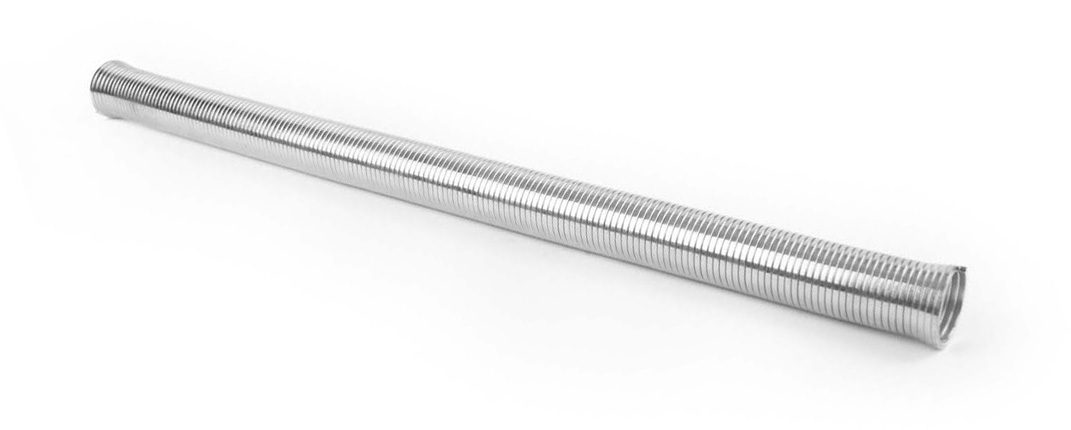
External Bending Spring
The alternative for situations where feeding a spring through the bore isn't practical, such as bends partway along longer runs. It fits over the outside of the pipe, spreading the bending force along its length to prevent kinking or flattening, and slides off once the bend is complete. Sized from 16mm to 32mm, with the same maximum bend radius of five times the pipe's outer diameter applying.
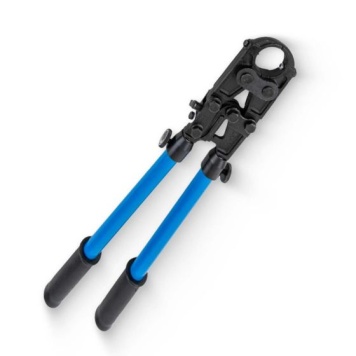
Manual Pressing Tool
The tool that completes the connection. Its lengthened handles provide the extra leverage needed to close the jaw comfortably, particularly on larger diameters, with no battery or power source required. Before pressing, an insert matching the exact diameter of the fitting must be attached, and the handles are then closed in one smooth, uninterrupted motion. Each joint should only ever be pressed once.
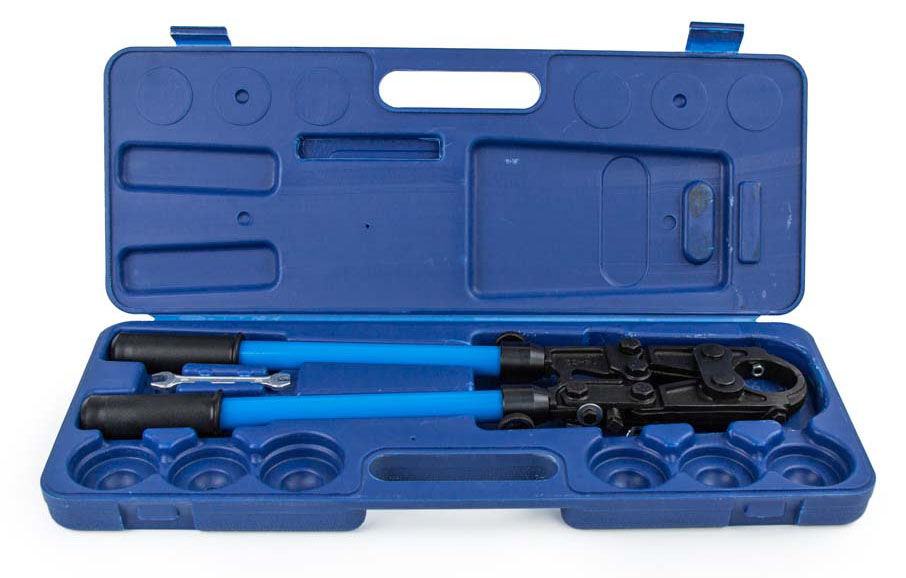
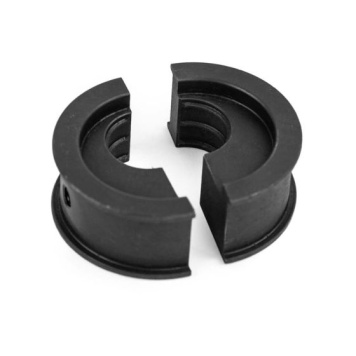
Inserts for Manual Pressing Tool
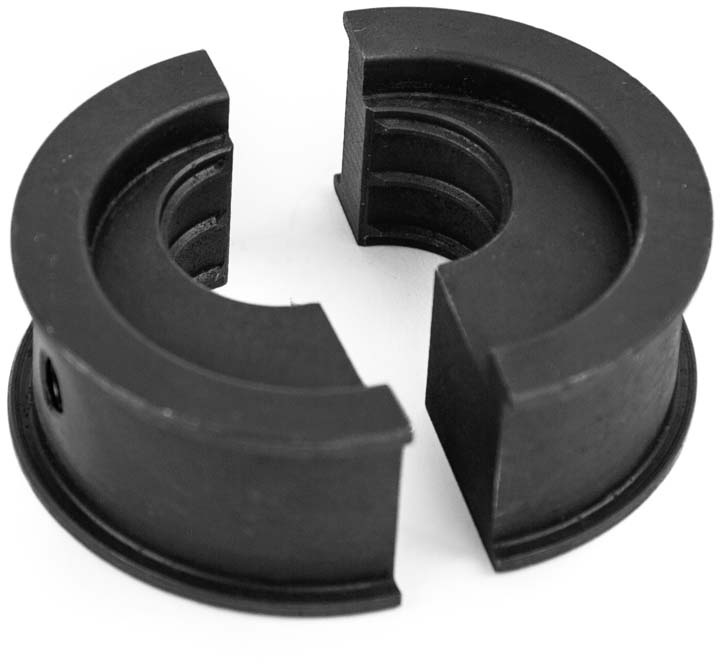
These inserts form the jaw of the pressing tool and determine which pipe size it can press. Each is dedicated to a single diameter and must correspond exactly to the pipe and fitting being joined, with sizes from 16mm to 32mm available to build up a set covering the diameters used most often. Inserts should be kept clean and in good condition, as wear affects how evenly the press is formed.
Which Tools Do I Need?
For most installations, three tools form the core kit: the pipe cutter, the bevelling tool, and the manual pressing tool with inserts matching the pipe sizes on the job. The bending springs are optional additions, worth having wherever the pipework layout favours gently formed bends over preformed elbows, with the choice between internal and external simply coming down to whether the pipe end or the pipe run is easier to access.
Downloads

If you require any further information, our excellent customer service team is here to help so please call us on 01794 835835.