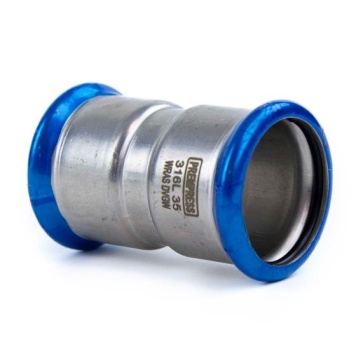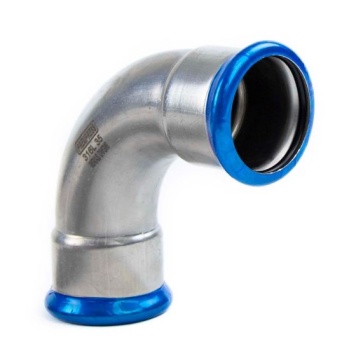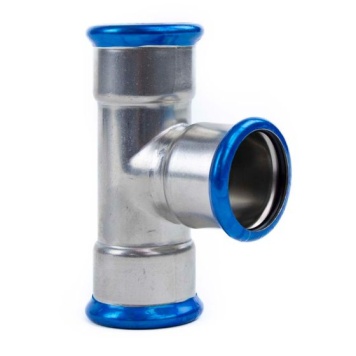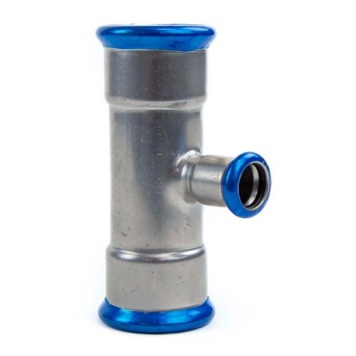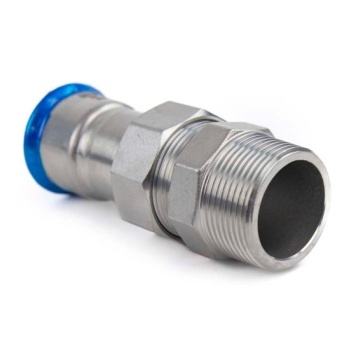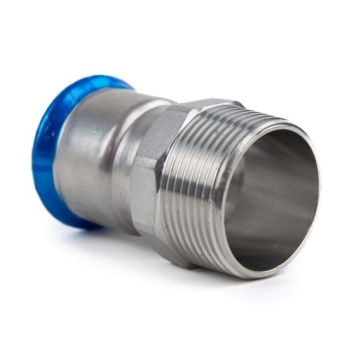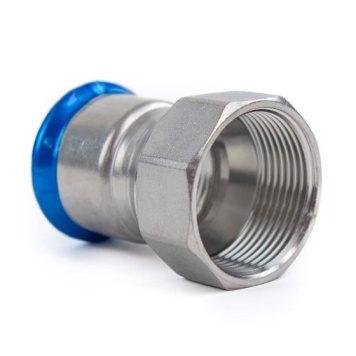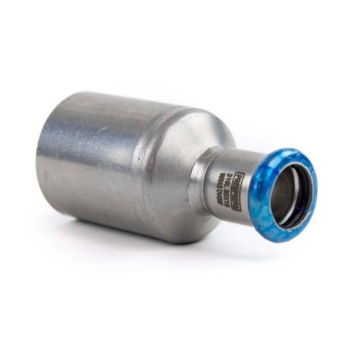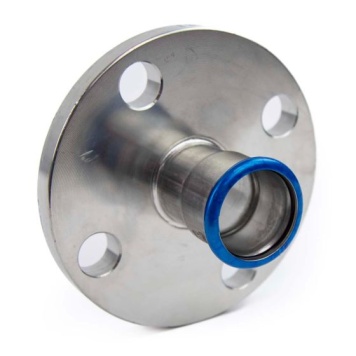
PremPress Stainless Steel Press Fit Pipe & Fittings
PremPress Stainless Steel Press Fit System
When you need a stainless steel pipework system that is quick to install, clean to work with, and built for long-term reliability, stainless steel press fit is one of the most practical choices on the market. This system combines the corrosion resistance and strength of 316L stainless steel with the speed and simplicity of modern press connection technology, giving installers and specifiers a dependable option for commercial, industrial and high-performance water systems. Available in 15mm to 108mm sizes, using an industry standard M-profile connection, and designed for pressures up to 16 bar, the PremPress system is a modern and cost-effective solution.
What is a Press Fit Fitting?
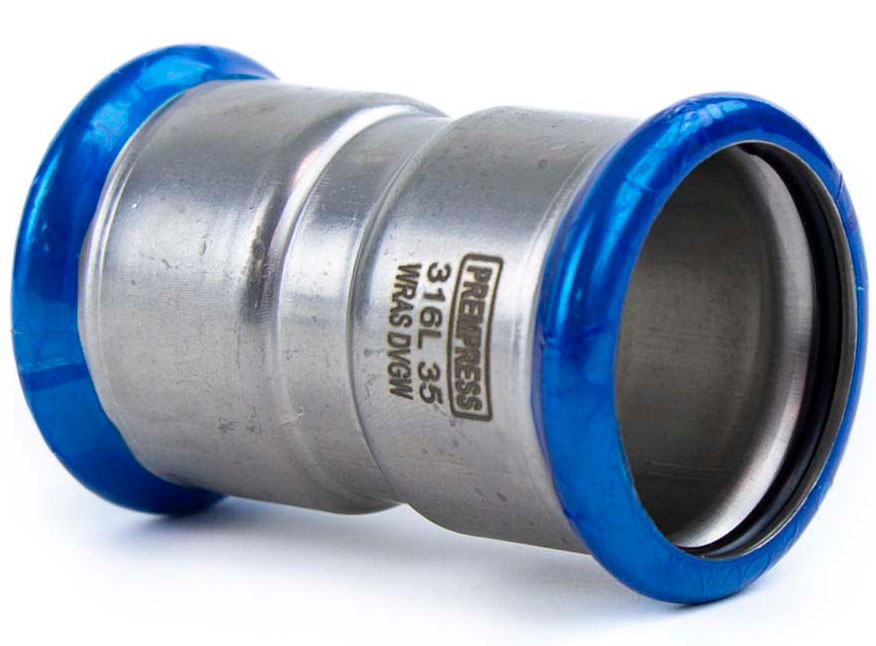
A press fit fitting is a mechanical pipe connection that allows pipework to be joined quickly and securely without the need for welding, soldering, or threading. Instead of using heat or sealants, the connection is created by pressing the fitting onto the pipe using a dedicated press tool.
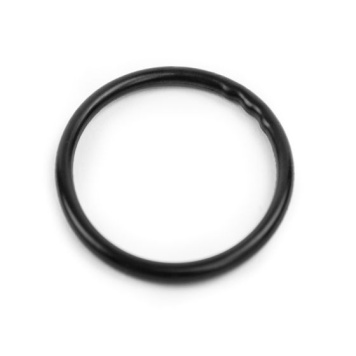
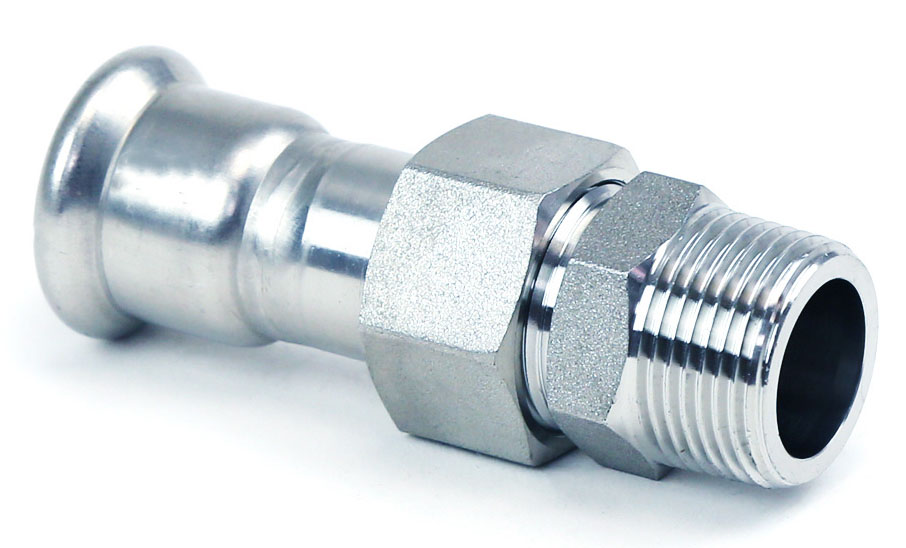
Each fitting contains an internal seal, typically an EPDM ring, which sits inside the socket. When installed correctly, this seal forms a watertight barrier, while the pressed metal body provides the structural strength of the joint. This makes press fit systems a clean, reliable and highly efficient alternative to traditional jointing methods, particularly in commercial and industrial environments where speed and consistency are important.
Typical Applications
Stainless steel press fit systems are widely used across commercial, industrial and high-performance building services where reliability, hygiene and corrosion resistance are essential. Thanks to the use of 316L stainless steel, combined with press fit installation, they offer a strong balance between durability and installation efficiency.
-
Potable water systems:
-
Commonly used for hot and cold drinking water distribution in commercial buildings, public facilities and residential developments. WRAS approval supports use in systems where water quality and hygiene are critical.
-
-
Heating systems:
-
Suitable for closed and open heating circuits, including plant rooms, distribution pipework and radiator connections. The system’s temperature capability and robust sealing make it ideal for long-term heating applications.
-
-
Chilled water and cooling systems:
-
Frequently installed in air conditioning and chilled water networks, where condensation and corrosion resistance are important factors. Stainless steel provides added protection in these environments compared to alternative materials.
-
-
Boosted water services:
-
Used in pumped water systems within commercial buildings, including hotels, hospitals and office blocks, where consistent pressure and durability are required.
-
-
Industrial and process water:
-
Well suited to a wide range of process applications where clean water or compatible fluids are being transported. The corrosion resistance of stainless steel makes it a reliable option in more demanding environments.
-
-
Plant room installations:
-
A popular choice for plant rooms due to its clean installation, professional finish and reduced need for hot works. Press fit systems help speed up installation while maintaining a high-quality result.
-
-
Refurbishment and retrofit projects:
-
Ideal for upgrade works where minimising disruption is key. The flame-free installation method reduces risk in occupied buildings and can simplify compliance with site safety requirements.
-
How does Press Fit work?
The process is designed to be straightforward, but precision at each step is key to achieving a secure and long-lasting connection. First, the pipe is cut to the required length and properly prepared. This includes removing any burrs and ensuring the pipe end is clean and square, which helps protect the seal during installation. Next, the pipe is inserted fully into the fitting. Installers will usually mark the insertion depth on the pipe beforehand, so it is easy to confirm that the pipe is seated correctly.
Once in position, a compatible press tool with the correct jaw profile is applied around the fitting. When the tool is activated, it compresses the fitting onto the pipe, permanently deforming the metal and compressing the internal seal at the same time. This creates two key elements in one action: a strong mechanical grip between the fitting and pipe, and a reliable seal that prevents leaks. One of the major advantages of this system is that it is completely flame-free, removing the need for hot works and reducing installation risks. It also allows for faster, more consistent installations, with some systems designed to highlight any unpressed joints during testing, adding an extra layer of security on-site.
Technical Data
-
Materials:
-
Body: 316L Stainless Steel
-
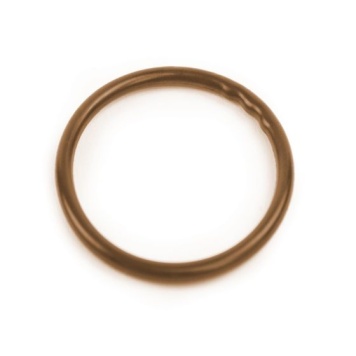
Alternative Seal: Fluoroelastomer (FKM)
-
-
Pressure Rating: Up to 16 bar (240 PSI)
-
Temperature Range: -35°C to +85°C
-
Sizes Available: 15mm to 108mm
-
Press Profile: M
-
Approvals:
-
WRAS approved
-
DVGW approved
-
-
Pipe Compatibility: PremPress Stainless Steel Press Fit Pipe
Benefits
-
316L Stainless Steel Construction: Delivers excellent corrosion resistance and ensures a long, reliable service life even in demanding environments.
-
16 Bar Pressure Rating: Suitable for high-performance building services and a wide range of process applications.
-
WRAS and DVGW Approved: Supports confidence for use in potable water and approved water system installations.
-
M-profile Compatibility: Designed to work with widely used press tools for easy integration on-site.
-
Flame-free Installation: Removes the need for hot works, improving safety and simplifying site compliance.
-
Failsafe Leak Detection: Unpressed joints are designed to visibly leak during testing for added installation security.
-
Broad Size Range: Covers both small branch lines and larger distribution pipework requirements.
-
Fast Installation: Significantly reduces labour time compared with traditional jointing methods such as soldering or compression.
Why Choose Stainless Steel?
When selecting a press fit system, the material plays a major role in performance, lifespan and suitability for the application. Below is a comparison of common alternatives and where Stainless Steel offers a clear advantage.
-
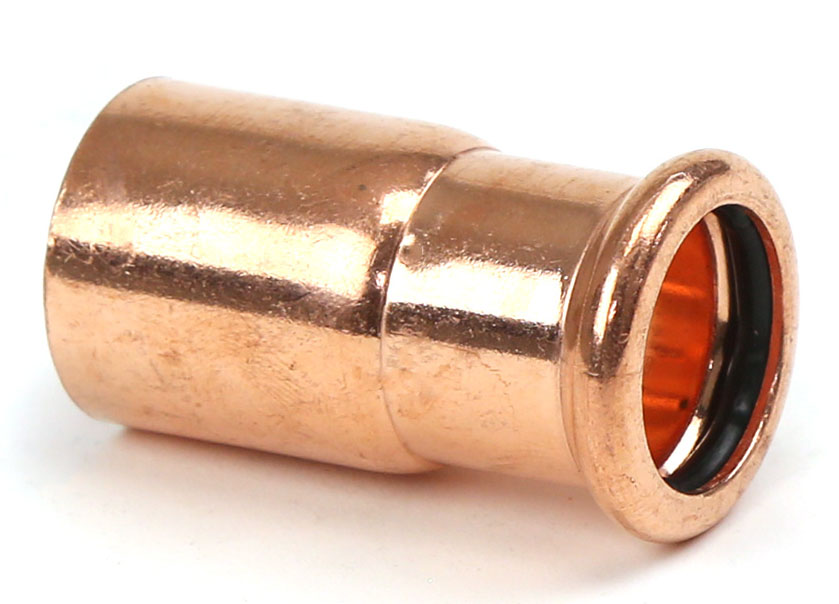
Copper:
-
Strengths: Copper is a well-established material in plumbing and heating systems. It is easy to work with, widely available, and has natural antimicrobial properties, which make it suitable for potable water. It also performs well across a typical temperature range found in domestic and light commercial installations.
-
Weaknesses: Copper can be more susceptible to corrosion in certain water conditions, particularly where water chemistry is aggressive or inconsistent. It is also softer than Stainless Steel, meaning it is more prone to damage, deformation, and wear over time, especially in exposed or industrial environments. Material cost can also be volatile.
-
Comparison: Stainless Steel offers significantly greater mechanical strength and durability, making it more suitable for demanding installations. It provides superior corrosion resistance across a wider range of conditions, particularly in commercial, industrial, or exposed environments. For long-term reliability and reduced maintenance, Stainless Steel is often the stronger choice.
-
-
Carbon Steel:
-
Strengths: Carbon Steel press systems are commonly used in closed heating and chilled water systems. They are typically more cost-effective upfront than Stainless Steel and perform well in controlled environments where oxygen exposure and moisture are limited.
-
Weaknesses: Carbon Steel is inherently more vulnerable to corrosion, particularly in open systems or where oxygen ingress is present. It is not suitable for potable water applications and generally requires more controlled conditions to prevent degradation over time.
-
Comparison: Stainless Steel eliminates many of the corrosion concerns associated with Carbon Steel, making it suitable for both open and closed systems, including potable water. It provides a longer service life with less risk of internal or external corrosion, reducing the need for system treatment and ongoing maintenance.
-
-
Multilayer Systems:
-
Strengths: Multilayer pipe systems combine plastic with an aluminium core, offering flexibility, lightweight handling, and ease of installation. They are commonly used in domestic and light commercial plumbing and heating systems, particularly where speed and simplicity are key.
-
Weaknesses: These systems have lower mechanical strength compared to metal pipework and can be more susceptible to damage from impact, UV exposure, or improper installation. Temperature and pressure limits are generally lower, and they may not be suitable for more demanding industrial or plant room environments.
-
Comparison: Stainless Steel provides a far more robust and durable solution, particularly in commercial and industrial settings. It offers higher pressure and temperature capabilities, greater resistance to physical damage, and a more professional finish for exposed installations. Where long-term performance and strength are critical, Stainless Steel is the more dependable option.
-
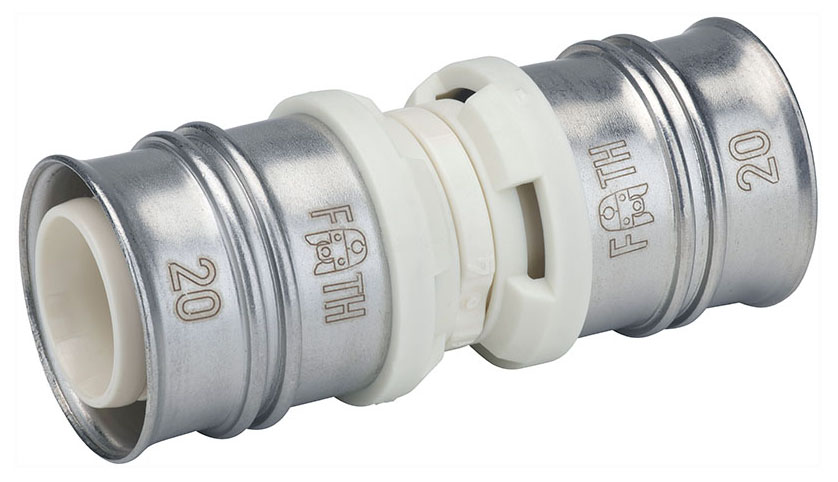
Pipe Preparation and Installation
Correct pipe preparation and installation are essential to achieving a secure, long-lasting press fit connection. While the process is straightforward, attention to detail at each stage ensures system reliability, protects the internal seal, and maintains the integrity of the joint.
1. Cutting and Preparing the Pipe:
-
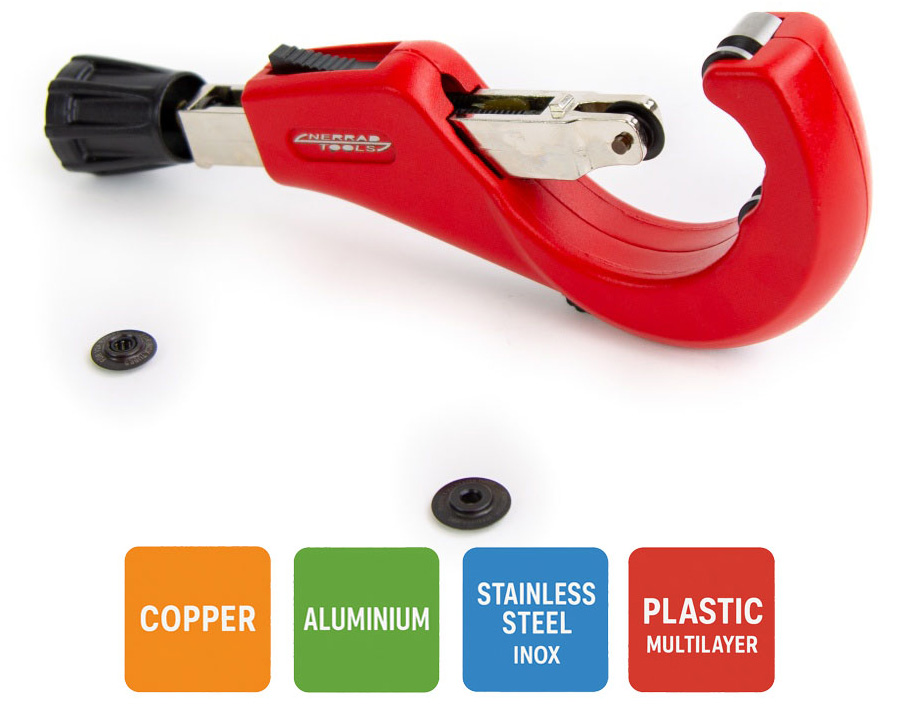
Stainless Steel Press Fit Pipe must be cut cleanly and square to ensure proper alignment within the fitting. This is typically done using a compatible tube cutter or powered cutting tool designed for precision work. The goal is to achieve a smooth, even cut without distorting the pipe end.
-
Once cut, the pipe must be thoroughly deburred both internally and externally using a deburrer or reaming pen. Any sharp edges or residual swarf can damage the internal sealing ring during insertion, potentially leading to leaks or premature failure. A clean, smooth pipe end allows the fitting to seat correctly and ensures the seal performs as intended.
-
It is also important to keep the pipe end free from dirt, grease or debris before assembly. Contamination can interfere with the sealing surface and compromise joint performance. Proper preparation is not just best practice; it is a critical step in ensuring a reliable connection.
2. Marking Insertion Depth:
-
Before assembling the joint, it is important to mark the correct insertion depth on the pipe clearly with a suitable marker. This should be done using the manufacturer’s depth guide or fitting specification to ensure accuracy. The mark provides a simple yet critical visual check, confirming that the pipe has been fully inserted into the fitting before pressing.
-
Without this step, there is a risk that the pipe may not be pushed in far enough, which can compromise both the mechanical grip and the effectiveness of the internal seal. A clearly visible insertion mark helps installers quickly verify correct positioning during installation and inspection, reducing the likelihood of joint failure.
3. Inserting the Pipe:
-
Once prepared and marked, the pipe should be inserted fully into the fitting until it reaches the marked depth. This ensures that the pipe is correctly seated within the fitting, surpassing the sealing element.
-
During insertion, it is important to apply steady, even pressure and avoid twisting or forcing the pipe, as this could damage the internal seal. A properly inserted pipe will sit securely within the fitting, ready for pressing, with the insertion mark aligning precisely at the edge of the fitting.
4. Press the Fitting:
-
With the pipe correctly inserted, a compatible press tool fitted with the correct M-profile jaw should be positioned around the fitting. It is essential that the correct jaw size and profile are used, as this ensures the fitting is pressed to the required specification.
-
When the tool is activated, it compresses the fitting around the pipe, permanently deforming the Stainless Steel to create a strong mechanical connection. At the same time, the internal seal is compressed to form a reliable, watertight joint. This single action delivers both strength and sealing performance, making press fit systems fast and consistent to install.
5. Test the System:
-
After installation, the system should be pressure tested in accordance with site requirements or relevant standards. This step is essential to confirm that all joints have been correctly installed and are performing as expected.
-
PremPress fittings are designed with a failsafe feature, where any unpressed joints will allow water to pass during testing. This makes it easier to identify missed connections before the system is put into service, providing an additional level of confidence in the overall installation.
-
A thorough test ensures the system is safe, secure, and ready for operation, helping to prevent issues once the installation is complete.
If you are looking for a cost-effective Stainless Steel Press Fit system that still delivers professional-grade performance, PremPress offers an excellent balance of speed, strength and corrosion resistance. With 316L stainless steel pipe and fittings, M-profile connections, WRAS approval for suitable water applications, and sizes from 15mm to 108mm, it is a smart choice for potable water, heating, cooling and process pipework where reliability and installation efficiency both matter.

If you require any further information, our excellent customer service team is here to help so please call us on 01794 835835.